
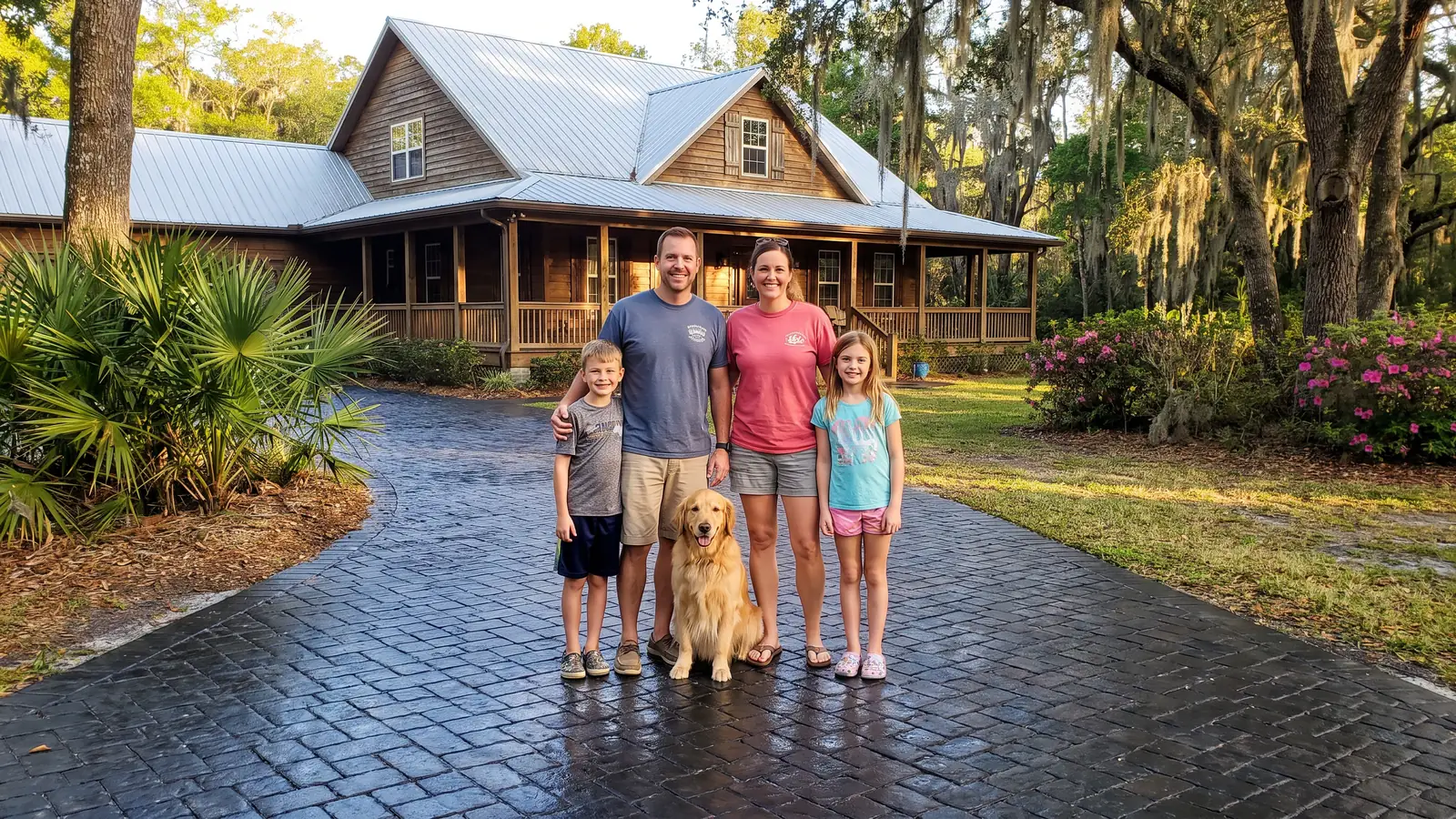
Paver sealing for Lake City homes
Paver Sealing in Lake City, FL
From Hotel Blanche to Alligator Lake Park, Lake City pavers get a free sealing estimate when you call (904) 590-4776.
- Brings out deeper paver color
- Fresh joint sand helps lock pavers in place
- Gives weeds less room to grow
- Makes the surface easier to keep clean
- Free estimate, no obligation
Request a Free Estimate
Free, no obligation.
Fast, careful paver sealing in Lake City
Paver sealing in Lake City is available with a free estimate, whether the pavers are a driveway, a front walk, a patio or a pool deck. A local contractor washes them, puts sand back in the joints and seals the surface so the color holds. Request a visit and a reply comes within 1 business day, usually much sooner. You can request a free estimate any time.
Lake City is a Columbia County town, not a Jacksonville suburb, and its weather and ground are its own. Faded color, green creep along the shady edge and gaps in the sand are what bring most people to ask. After a wash, new sand and a fresh coat, the surface looks even again. Call (904) 590-4776 and describe what you see on your pavers.
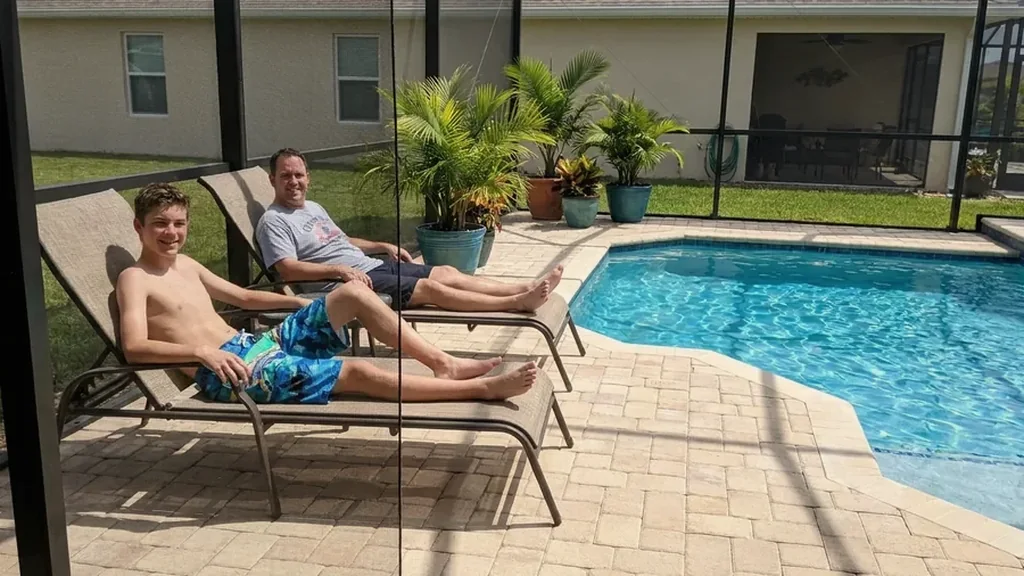
Why hire a local paver sealing contractor in Lake City?
Lake City homeowners tend to look for a contractor who knows inland North Florida, where the summers are hot, the rain comes in bursts and the ground sits on limestone. To talk about your own pavers and your own yard, request a free estimate.
A free visit
The contractor looks at your Lake City pavers and prices the work at no charge. Nothing is agreed until you are ready, and there is no rush.
A range to compare
Northeast Florida companies commonly publish $1.75 to $3.25 per square foot to clean, sand and seal. Use that range to check any Lake City quote, and ask what each line covers.
Made for inland weather
Hot summers and heavy June to August rain shape the timing in Lake City. The contractor plans around dry days, not the calendar, and tells you when a date has to move.
Your choice
You pick the finish and the date, and you can say no. A Lake City estimate comes with no obligation and no pressure.
Get Your Free Estimate in Lake City
Tell us about your pavers in Lake City.
Free, no obligation
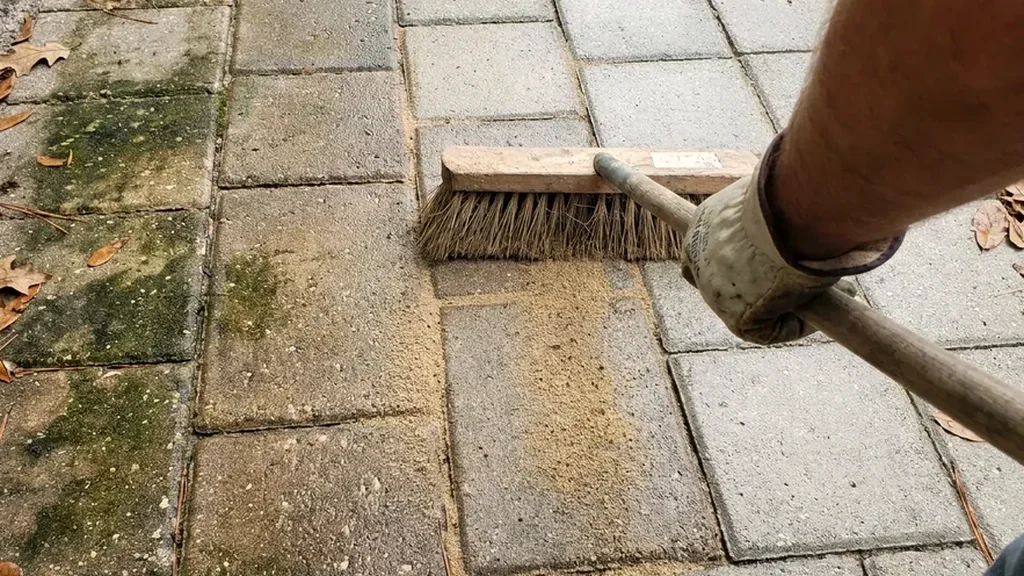
What paver problems show up most in Lake City?
Heavy summer rain and slow drying
NOAA normals show Lake City getting about 7 inches of rain a month from June through August, nearly 54 inches over the year. That is enough to keep shaded pavers damp for days. Damp pavers grow green film, and sealer cannot go on until they are dry. A north-facing walk or a patio under a tree is where the damp lingers longest. The green that grows there is slick, which means it is a safety question as well as a looks one. Check the pavers a day after a long rain to see how wet they stay. The Ichetucknee soil series gets about 57 inches of yearly rain near its type location, close to the NOAA figure for town, so wet ground is normal here. A walk under a tree stays slick longer than one in open sun. Check a day after a long rain to see how wet the shady edge stays.
Hot summers that fade color
The mean daily high in Lake City runs near 90 degrees in July, and the record high is 106. Long sun exposure thins old sealer and dulls the color. A south-facing driveway often shows the fade first. Pavers that have lost their sealer soak up water and stains more easily, so the fade often comes with blotches. A bead test shows the difference: water that beads means the coat is working. A bead test on the sunniest face of the driveway shows the fade first. Hot, bright summers are long here, which means the fade builds over many seasons instead of showing up all at once.
Sandy, limestone-based ground
The USDA describes a regional soil that formed in sandy and clayey deposits over limestone. Sinkholes in nearby Alligator Lake tie the surface to the aquifer below. A settled paver can have many causes, so the contractor checks low spots before any sealer goes on. Sandy ground also lets rain pull joint sand down, so seams open sooner than you might expect. The Ichetucknee soil series has about 57 inches of yearly rain at its type location, close to the NOAA figure for town. Settled spots near the edge of a driveway are worth pointing out, since low corners also hold water.
Cold snaps that stress the surface
Wikipedia notes that Lake City, being north of the peninsula, gets rare cold snaps, and the record low is 6 degrees. Wet pavers that chill overnight need a dry stretch before sealing. The contractor watches the forecast for both rain and cold. Cold is rare here, but it is part of the picture for anyone who is used to Jacksonville weather. A quick check of the overnight low and the next day's sun tells the contractor whether a morning start makes sense. A cold morning also means dew, so the pavers may not be dry until late in the day.
Rust and unknown coats
University of Florida extension says most Florida well water is high in iron and stains pavers orange when used to irrigate. Any Lake City lot that irrigates from a well can see this. Old coats of unknown type also matter, since water-based sealer cannot go over solvent-based sealer. A rust fan across the pavers closest to the sprinkler head is the usual sign. If you are unsure what was used before, a small test patch can show how the surface reacts. Anyone who knew the earlier work, such as a prior owner, may remember the product. A small test in a hidden corner shows how the surface reacts, and it is done before any sealer is mixed.
Is paver sealing different in Lake City than in Jacksonville?
Yes, in the details. Lake City sits 60 miles west of Jacksonville, inland, with hot summers and colder winter nights than the coast. The rain pattern is much the same, with the wettest months in summer, and the ground sits on limestone. Tell the contractor which part of Lake City you live in when you request a free estimate.
Pavers show different problems on different kinds of lots. Where trees are mature, expect shade, leaf litter and green film along the edges. Where a lot is open to the sun, expect fading and thin sealer. Call (904) 590-4776 and say which sounds like yours.
If your Lake City lot is large, with a long drive or well irrigation, mention both when you request a free estimate. A long driveway adds square feet, and well water can leave rust marks. Both change the quote, so it is better to say so early.
What does paver sealing cost in Lake City?
Companies in this region publish $1.75 to $3.25 per square foot for a clean, sand and seal job. In Lake City, a job moves inside that range with the size of the area, the stains and how much sand is gone. Driveways, walks and pool decks are measured together, so a bigger layout adds to the total. To price yours, request a free estimate.
Smaller jobs cost more per square foot, according to a Jacksonville cost guide, since setup time is spread over less area. Lake City is inland, so ask whether a visit can be combined with other nearby work. A long driveway with easy access is simpler than a back patio reached by hand, and a pool deck with many corners takes longer. Call (904) 590-4776 to find out where your pavers fall.
| Paved area | Typical example | Clean, sand and seal |
|---|---|---|
| 300 sq ft | Small patio or walkway | $525 to $975 |
| 600 sq ft | Two car driveway | $1,050 to $1,950 |
| 1,000 sq ft | Large driveway or pool deck | $1,750 to $3,250 |
| 1,500 sq ft | Driveway plus pool deck | $2,625 to $4,875 |
Math based on the $1.75 to $3.25 per square foot that Northeast Florida paver companies publish. Your contractor sets the actual price after seeing the surface. Repairs, leveling and stripping failed sealer are usually extra.
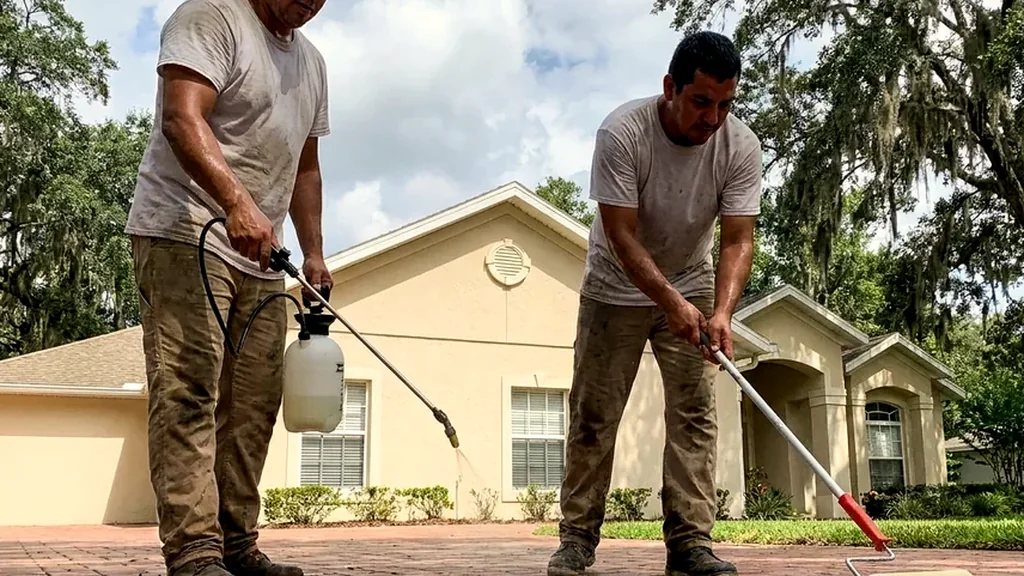
How does a paver sealing job work in Lake City?
Look over the pavers and the lay of the land
The contractor checks slope, low spots and lifted stones. Because sealer keeps a dip as it finds it, repairs come before coating. An older coat is identified, since the two sealer families do not mix. Bring up gates, pets and parked cars at the visit so the work goes smoothly. Notes on shade and drainage go into the quote. Photos of the drive in full sun make a handy starting point.
Wash off summer's growth
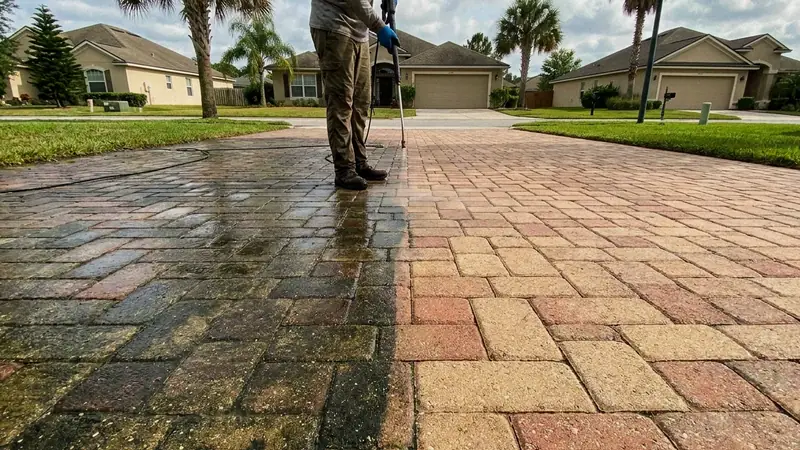
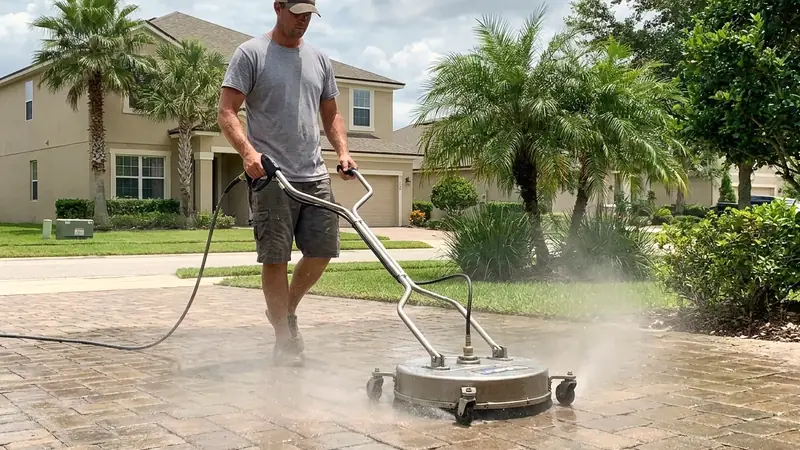
Green film, oil, leaf stains and rust come off. Water is kept off siding and plants where possible. Pavers beside a downspout or hose bib often need a second pass. A second rinse clears loose grit before the sand goes in. Sprinkler heads near the pavers are noted, since they cause rust and mildew.
Fill the seams
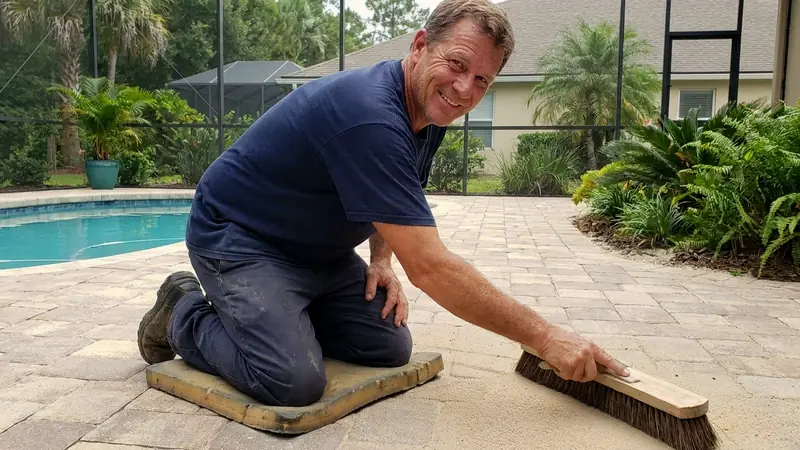
New sand goes in wherever washing took it out. Lost sand lets joints widen and soil settle in. Edges and borders are checked last, since sand leaves them first. On a wide driveway this can take a good part of the day. Ask for the sand type to be named in the quote. The sand is swept in until the seams stop taking more.
Choose a dry day
Sealer needs dry pavers. One Jacksonville company advises against sealing damp stone or right before a forecast downpour, and the wet months here make that call matter. Shaded corners may dry later than the open middle. Ask what happens if a shower rolls in mid-job, since the answer shows how the day is managed. The contractor may start in the sunniest area and save the shaded corners for the end of the day.
Seal, then let it set
The sealer goes on in your finish, sprayed and then rolled into the joints. Feet can go on within hours; tires wait for the next day. A bead test later shows when the coat is wearing. Keep sprinklers off for the first day so the new coat can set. The color should look even from the street, so a last walk-through catches any missed spot.
Complete paver services in Lake City
Four steps, in this order: wash, sand, dry, seal. Each must finish before the next starts, because sealer locks in whatever is under it. A wet week can pause the job. To ask about timing on your pavers, call (904) 590-4776.
Most Lake City jobs are driveways, front walks and patios, with a pool deck on some lots. Tires wear the drive, shade holds damp on the walk, and the sun beats the patio. Tell the contractor what you have when you request a free estimate.
Sealer comes in water-based and solvent-based types, and the old coat decides what can go on. After that you choose matte or wet look. A wet look gives deeper color but shows scuffs sooner, while matte stays calm beside brick or siding and hides tire marks longer. Call (904) 590-4776 to talk through which finish suits your Lake City pavers.
Weather sets the schedule. June to August is the wettest stretch, while October and November are the driest months in the NOAA normals. A dry fall day is a good fit for sealing, though any dry day works, and a mild spring day can work as well. To find a date, request a free estimate.
Questions to ask before you hire
- Do you cover my plants and the landscape beds next to the pavers?
- Will the joints be refilled with polymeric sand before sealing?
- Is the price per square foot, or one price for the whole job?
- Does the sealer you use leave a wet look or a natural matte finish?
- How do you handle pavers that have settled near the garage apron?
- How do you remove the green algae near the sprinkler heads?
- Will you send a written estimate before any work begins?
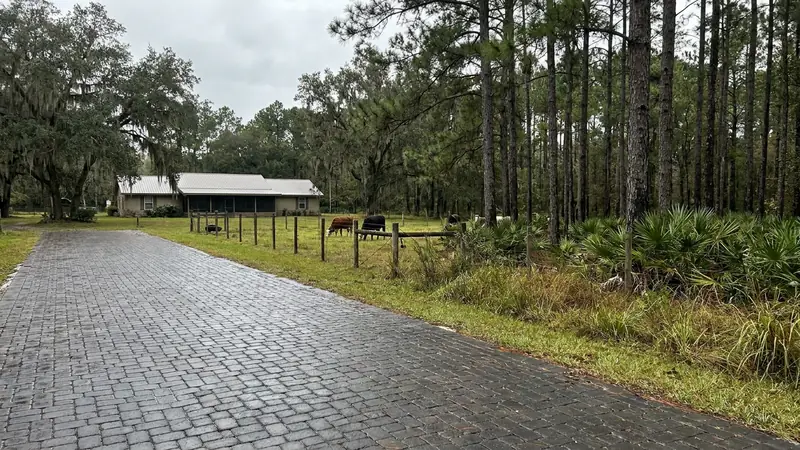
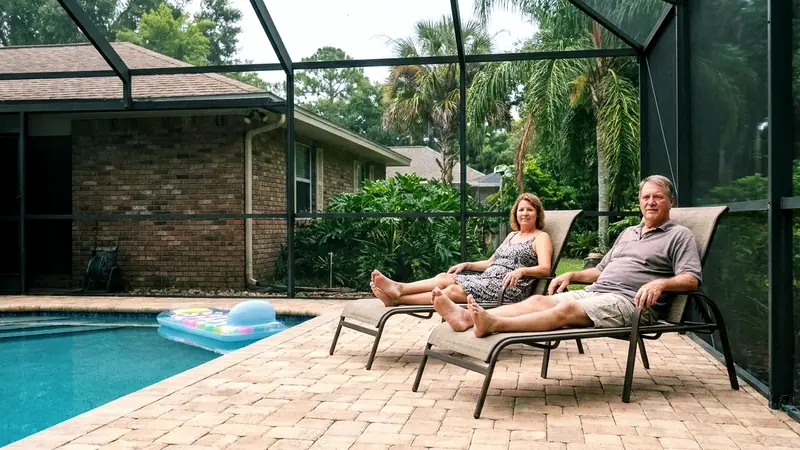
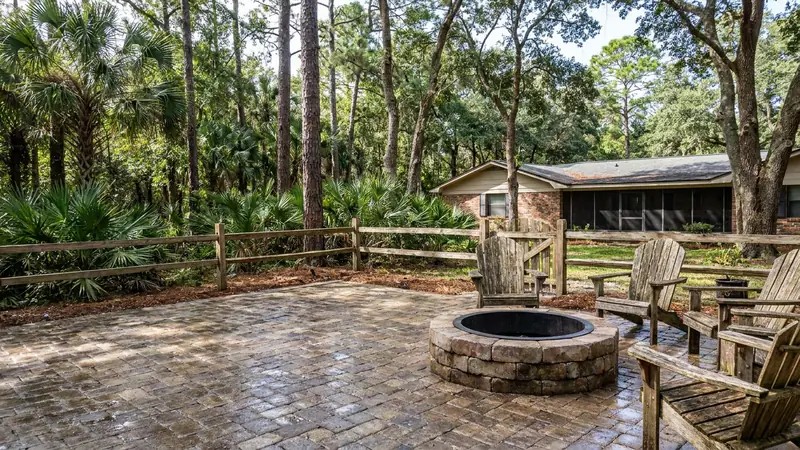
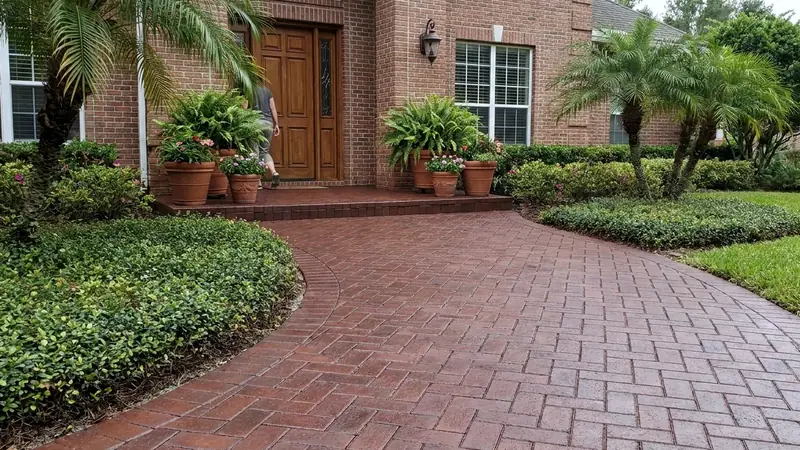
What do sealed pavers look like around Lake City?
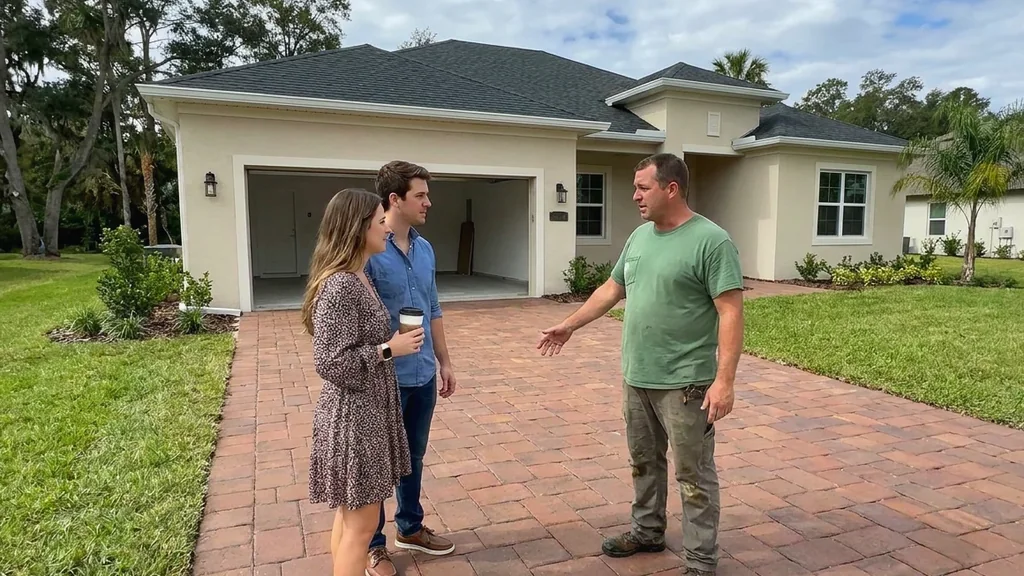
Why local matters in Lake City
A contractor who works inland North Florida knows Lake City is not the coast. Summers are hot, winters bring real cold nights, and the ground sits on limestone. That affects drying, sealer choice and how much washing a driveway needs, and it is worth asking about. For a contractor who works this part of Columbia County, call (904) 590-4776.
Local knowledge helps with the calendar too. Lake City has a long, wet summer, and the drier fall is often the easier window. A contractor who knows the area will tell you when a day is risky, and will not seal pavers that are still damp from the night before. You can request a free estimate and ask when the better days tend to fall.
Rural and edge-of-town lots bring their own questions, from well water to long gravel approaches and open sun. A contractor familiar with them asks about irrigation and rust before the wash. If that sounds like your place, request a free estimate and mention it. Nothing is owed for asking.
What is Lake City known for?
Lake City began as a settlement called Alligator and was renamed in 1859, a year after the railroad from Jacksonville arrived. Hotel Blanche opened in 1902, and in 1891 the town became the first in Florida with electric lights from a local power company. The Battle of Olustee took place about ten miles east in 1864, and a festival marks it each February. If you live near downtown, request a free estimate.
Alligator Lake Park covers about 1,000 acres with trails, canoe access and over 150 bird species, and its lake has sinkholes that connect to the aquifer. Florida Gateway College started in 1947 as a forestry school and draws from a five-county district that includes Baker, Columbia, Dixie, Gilchrist and Union counties. Ichetucknee Springs State Park lies in the same county, and the town sits beside the meeting of I-10 and I-75. Near any of these Lake City places, call (904) 590-4776 and name your street.
Frequently Asked Questions
Is paver sealing a smart move in Lake City?
Yes, in most cases. Heavy summer rain and hot sun are hard on bare pavers. Sealer helps hold sand and slows stains. Lake City pavers in deep shade can still grow green film. A short look at the shady side of the house tells you where to start. Pavers in deep shade are the likeliest to show green film first.
How long do paver sealers last in Lake City?
Wear on a coat is commonly quoted at two to five years. Strong sun, summer rain and daily cars point to the shorter end. If water soaks in and darkens the paver, the sealer is spent. Ask the contractor what finish was used last time, since that helps plan the next coat. Ask what sealer was used last time, since the type matters for the next coat.
How much does it cost to have pavers cleaned and sealed in Lake City?
Budget $1.75 to $3.25 per square foot for the full clean, sand and seal, per published Northeast Florida rates. A Lake City job moves inside that with stains, sand loss and old sealer. Ask for the area in your quote. Ask for the area in square feet so the math is easy to check.
Why is paver sealing so expensive in Lake City?
The price includes washing, new joint sand, drying time and the product, not just the coat. Per a Jacksonville cost guide, a small job runs higher per square foot than a big one. Compare quotes against the published range. Ask what the contractor does when a shower arrives in the middle of the day.
What are the downsides of sealing pavers in Lake City?
Sealer wears and needs a new coat later. A wet look scuffs sooner than matte does, so think about daily use. It also needs a dry surface, which can delay a Lake City job in the wet summer months. If the downside list worries you, ask to see how matte and wet look differ before choosing.
Can the contractor seal pavers in Lake City in summer?
Yes, on a dry day. The wet months run from June to August, so dates may move. Sealer cannot go over damp pavers or ahead of a downpour. Dry autumn days are often easier to book, since October and November are the driest months in the NOAA normals.
Does sealing stop weeds in my Lake City paver joints?
It reduces them but cannot end them. Washed, re-sanded and sealed joints hold sand longer, and weeds need open seams with soil. Leaves and heavy shade can still bring some back.
How long should I stay off pavers after sealing in Lake City?
A Jacksonville company puts it this way: hours for feet, about a day for cars. Humid summer days can add time. The contractor will give you a window once the work is done.
Do sinkholes or limestone ground affect paver sealing in Lake City?
Sealing itself is not affected, but settled pavers matter. The Lake City area sits over limestone, and nearby Alligator Lake has sinkholes tied to the aquifer, so a dip can have many causes. The contractor marks low spots and repairs them before any coat.
Does Lake City's winter cold hurt sealed pavers?
Winters are mild most years, with a January daily low near 41 degrees in NOAA normals, though rare cold snaps happen. The contractor picks dry days and watches the overnight low before sealing.
What should I ask before accepting a Lake City paver sealing quote?
Ask for the square footage, the sealer type, the finish, and how old sealer and rain delays are handled. A clear quote lists all five. Compare the total with the published range of $1.75 to $3.25 per square foot.
Is it time to reseal my Lake City pavers?
Pour a little water on the stone. If it darkens and soaks in, the coat is spent. Faded color and open seams are other signs, and a few wet summers or one long hot one make the check worth doing.
Ready for a Free Estimate in Lake City?
Call (904) 590-4776 and tell us about your pavers.
Free, no obligation