
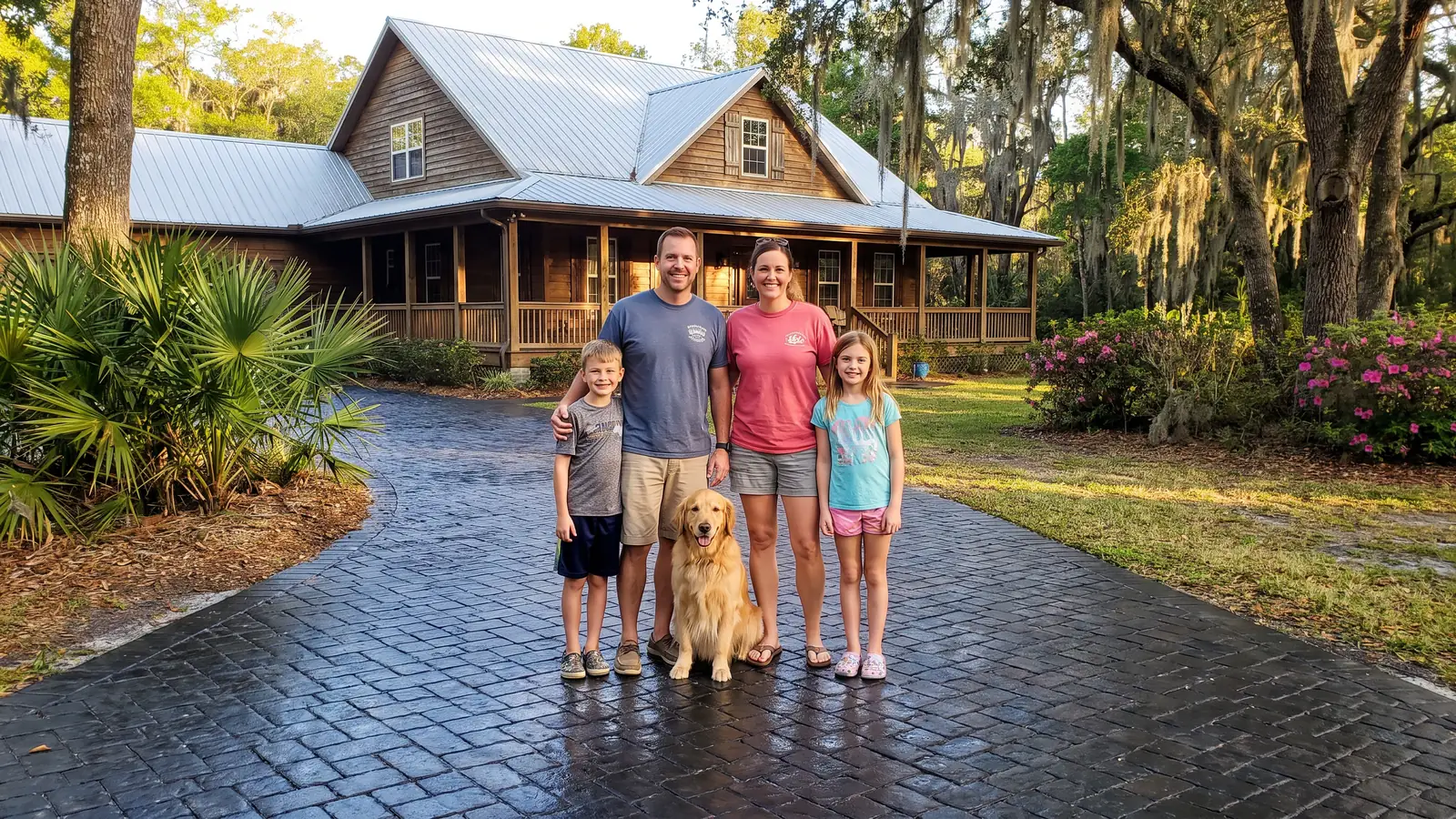
Paver sealing for Whitehouse homes
Paver Sealing in Whitehouse, FL
Spread-out Whitehouse lots mean bigger paver areas, so call (904) 590-4776 for a free, measured estimate.
- Brings out deeper paver color
- Fresh joint sand helps lock pavers in place
- Gives weeds less room to grow
- Makes the surface easier to keep clean
- Free estimate, no obligation
Request a Free Estimate
Free, no obligation.
Fast, careful paver sealing in Whitehouse
Paver sealing in Whitehouse is a call or a quote request away, and the estimate is free. A local contractor washes your driveway, walkway or pool deck, puts sand back in the joints and seals it. Ask through request a free estimate and the reply arrives within 1 business day, usually much sooner. The visit covers every paver surface at the house.
Maybe your drive runs a long way back from the road, and the joints near the garage have gone green. After the wash, the sand and a fresh coat, the whole stretch reads as one color again. To talk it through, call (904) 590-4776 and tell the contractor roughly how long your drive is, and whether it forks to a side door. The estimate carries no obligation.
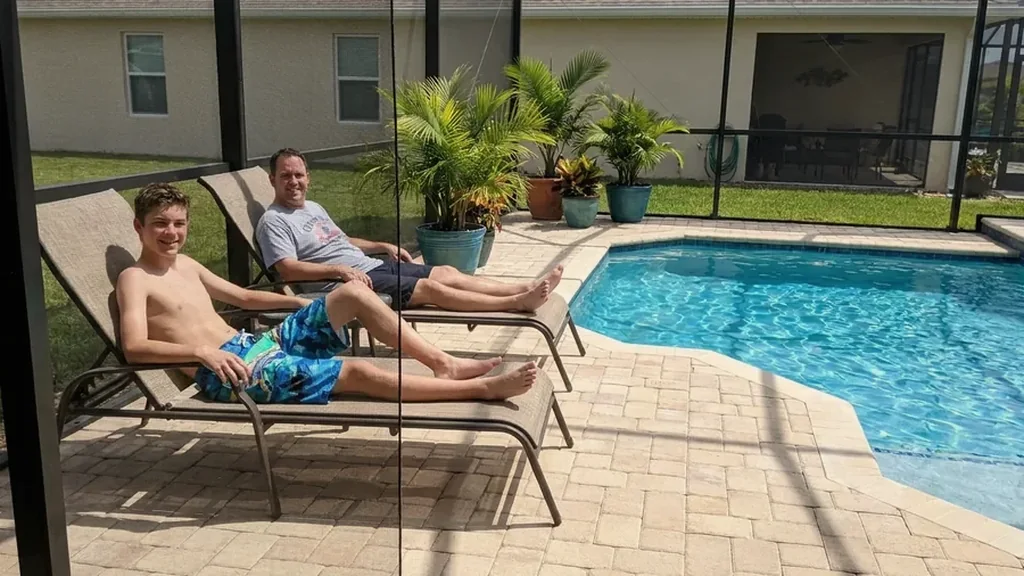
Why hire a local paver sealing contractor in Whitehouse?
Whitehouse lots are wide, and a long driveway can hold more pavers than a whole townhouse yard. A local contractor measures your actual area before quoting, so request a free estimate to get a number that fits your lot.
Measured, not guessed
The contractor sizes up your Whitehouse driveway, walks and patio on site, tape in hand, so the price follows real square footage.
No HOA on many lots
Four current listings state no HOA, so on many Whitehouse lots the finish and the color are your call.
Big areas, better rate
One Jacksonville cost guide says larger areas run cheaper per foot because setup spreads out. A long Whitehouse drive may benefit.
Time on your side
Choose the finish and the date that fit your week. The free estimate binds you to nothing.
Get Your Free Estimate in Whitehouse
Tell us about your pavers in Whitehouse.
Free, no obligation
What paver problems show up most in Whitehouse?
A big area to cover
ZIP 32220 spreads across about 38.6 square miles for 13,037 people, and the Census calls Whitehouse rural by density. Lots here run larger than in a packed subdivision. A long driveway, a wide apron and a back patio can add up to a lot of paver. That makes measuring the first step, since the total decides most of the price. Pace it off or ask the contractor to run a tape. The Census put 5,309 housing units in the ZIP, so there is a lot of ground between them. A long run from road to garage can be all stone. Count the full length, not only the apron. Camp Milton Historic Preserve, a 385-acre site nearby, shows how much open land surrounds many Whitehouse homes. A crew that plans the long drive in sections keeps each section clean and dry before moving on, and it tells you which parts of the yard are off limits until the coat cures.
Newer pavers that were never sealed
Pavers laid on a new build are often left bare, which means the clock on fading starts the day they go in. A Jacksonville paver company says sun fades unsealed concrete pavers within three to five years. It also says to wait 30 to 60 days after installation before the first coat. A fresh build and a fifty-year-old home can sit a few miles apart. Each calls for a different plan.
Sand and water close to the surface
The USDA describes the Myakka soil series as poorly drained sand on flatwoods, with the water table within 18 inches of the surface for one to four months in most years. Land like that stays wet after storms. Wet ground under a driveway can let pavers shift and joints open, and rain then carries the sand away. Low spots are fixed before the sealer goes down. Ask the contractor to look for them first, since sealing a dip keeps the dip. A paver that has sunk an inch will not come back on its own. Whitehouse is part of the Westside, which covers both populated areas and a vast tract of undeveloped land. Open land around a lot can hold water in low places. Ask the contractor to note where water pools.
Orange arcs from well sprinklers
Wells are common on rural Florida lots, and Whitehouse is classed as rural. University of Florida extension says most Florida well water is high in iron, and irrigating with it can leave orange streaks. Look for them along the driveway edge, near the garage and by the walkway, then ask about cleaning them before sealing. Turning the spray heads away from the stone keeps new marks from forming. If rust keeps returning, a water test tells you how much iron your well carries.
Leaf stains under big trees
A Jacksonville pressure washing company says patios shaded by trees need extra cleaning time, because algae and leaf tannin stains build up faster. Older Whitehouse lots, with homes built as far back as the 1960s and 1970s, tend to have grown-up trees. A stain that soaks in before sealing stays visible after it, and tree roots can lift pavers too. The wash has to lift it first. Rake the leaves off before the visit if you can. Leaf fall comes every autumn, so the stains return each year. A coat makes them easier to rinse off next time.
Is paver sealing worth it on a larger Whitehouse lot?
Yes, and a larger lot is a good reason to do it. Whitehouse sits in the Westside, a large part of Jacksonville with a lot of undeveloped land, so older and new pavers both turn up. Most homes are single-family houses, with some mobile homes, built from 1970 to 1999, and homes listed or sold have a median build year of 1986. To see what your lot needs, request a free estimate.
Four current listings state no HOA, so you choose the finish for your driveway. A few newer communities near Whitehouse, such as Old Plank Plantation, Wellhouse Estates, Jax Farms and Panther Creek, may have their own rules. Ask your association before you pick a high-gloss coat, since gloss draws more attention than a natural look. When in doubt, call (904) 590-4776 and mention the neighborhood name.
None of six geocoded Whitehouse homes in one housing report sits in a FEMA special flood hazard zone, and median elevation is 77 feet. That is no promise about your lot, since low corners still hold water. Walk the drive after a storm and note where puddles stand, then share what you saw when you request a free estimate.
What does paver sealing cost in Whitehouse?
Published Jacksonville rates set the frame, and a Whitehouse total follows area, lost sand and any coat to strip. Tight spots near gates or shrubs add prep time, and a small patio costs more per foot than a long drive. To price your drive, request a free estimate.
Long runs of pavers take longer to dry in shade, and a stripped old coat adds time and cost. A contractor measures the drive, the walk and any pool deck, then totals them. Ask how the quote splits the areas, so you can see which surface costs the most. For help with the numbers, call (904) 590-4776.
| Paved area | Typical example | Clean, sand and seal |
|---|---|---|
| 300 sq ft | Small patio or walkway | $525 to $975 |
| 600 sq ft | Two car driveway | $1,050 to $1,950 |
| 1,000 sq ft | Large driveway or pool deck | $1,750 to $3,250 |
| 1,500 sq ft | Driveway plus pool deck | $2,625 to $4,875 |
Math based on the $1.75 to $3.25 per square foot that Northeast Florida paver companies publish. Your contractor sets the actual price after seeing the surface. Repairs, leveling and stripping failed sealer are usually extra.
How does a paver sealing job work in Whitehouse?
Measure every paver surface
The contractor walks the lot with a tape and notes each driveway, walk and patio. On a Whitehouse property that can be a long list, and slow measuring pays off. Sunken or lifted spots are marked for repair, since sealer would keep a dip. A test spot shows whether an old coat is there, because water-based will not bond over solvent-based. Ask the contractor to write down each area's size, so the quote and the work match.
Wash off dirt and stains
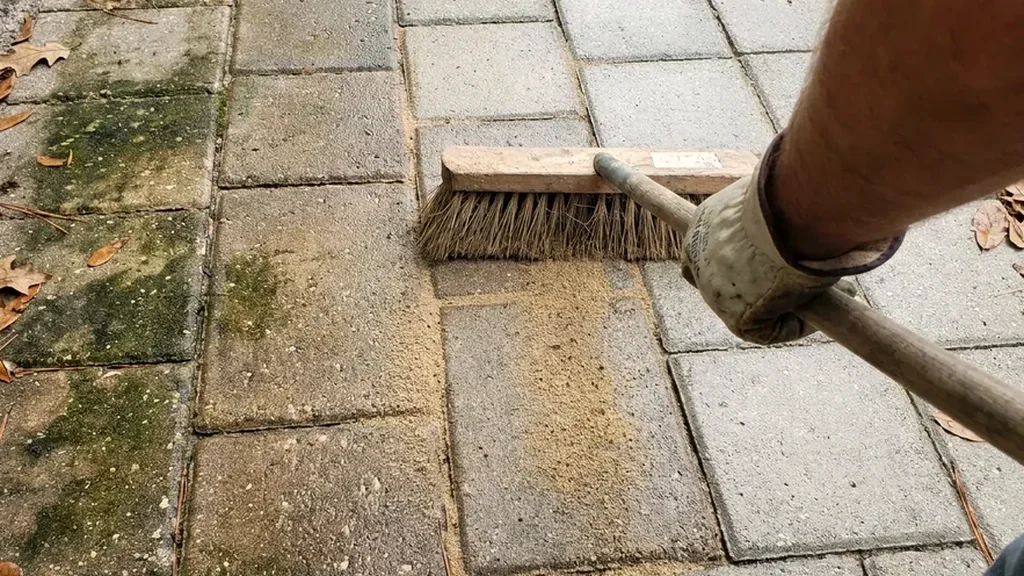
The wash clears green film, leaf stains and orange streaks left by well water, plus the gray grime that builds up near the garage. Shaded stretches under trees take extra time. Any stain left behind shows through the finish. Rinse water is steered away from plants and the house. Fresh leaf fall is cleared before the wash begins, since wet leaves leave fresh stains.
Top up the sand between pavers
Washing pulls out sand, so the joints are refilled and swept before sealing. Whitehouse sits on sandy, wet ground where gaps open up. Full joints hold stones in place, slow weeds and keep ants out. A sand shade near the stone keeps the surface even. The edges along a long drive are where sand thins first, so the contractor checks them one by one.
Wait for dry weather
Jacksonville's driest months run from November to April, which suits sealing and avoids rain delays on a big drive. Summer storms arrive fast and hard. A careful contractor waits for dry stone and a clear forecast. Sealer on damp pavers can turn white or blotchy. Dry weather matters most for the first day, since the coat must cure. A forecast of two clear days suits a big drive.
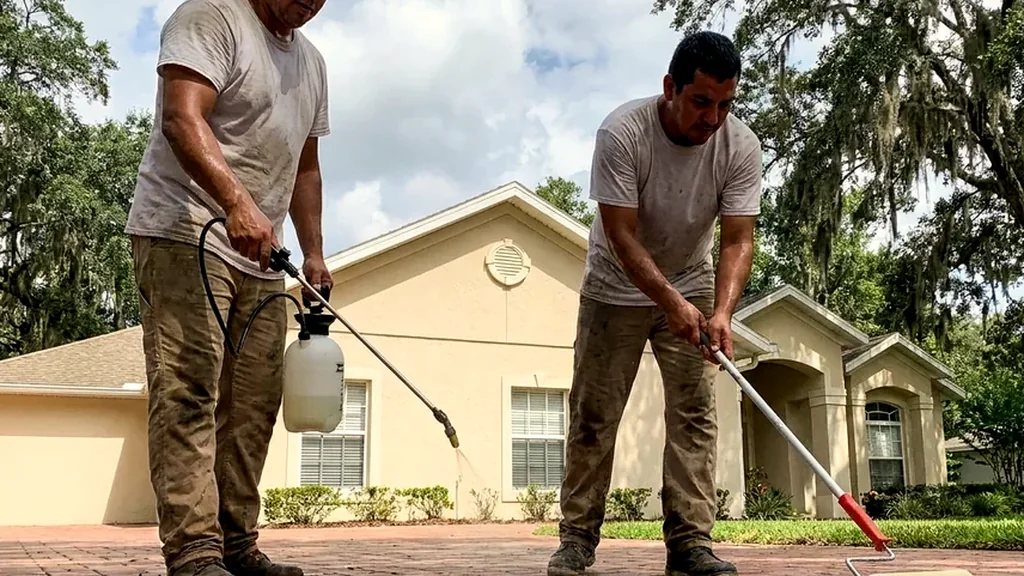
Apply the coat
Sealer is sprayed and then rolled in your finish, usually in sections on a large area. A Jacksonville company says feet can return in 2 to 4 hours, with cars waiting a day. Quotes for a coat commonly run from two to five years in this area. Wet looks wear in the lanes sooner. The contractor should say which finish is on your sample strip. Seeing it in daylight avoids surprises.
Complete paver services in Whitehouse
On a Whitehouse lot the order is wash, refill, dry and coat. Large areas are often done in sections so one part does not dry before another is sealed. That order keeps dirt from being trapped. To ask how a big drive would be planned, call (904) 590-4776.
Long driveways carry the heaviest wear, and tires turning near the garage show it first. Side walks to a door and back patios see lighter use. Pool decks need a sealer that grips when wet. Tell the contractor your surfaces when you request a free estimate.
Sealers come water-based or solvent-based, matte or wet look. A past solvent coat shuts out a water-based one. With no HOA on many Whitehouse lots, the finish is your own decision. To compare options for your house, call (904) 590-4776.
Timing matters on a big job. Most Jacksonville rain comes from May to September in short, heavy storms, while November to April is drier. A steady week helps a long drive finish in one go. For a date that suits your lot, request a free estimate.
Questions to ask before you hire
- Do you pressure wash with a surface cleaner or only a wand?
- Do you cover my plants and the landscape beds next to the pavers?
- Is the price per square foot, or one price for the whole job?
- Can you tell me what is in the sealer you plan to use?
- How do you handle pavers that have settled near the garage apron?
- Will you test a small spot before you seal the whole driveway?
- Who do I call if a spot looks uneven after it dries?
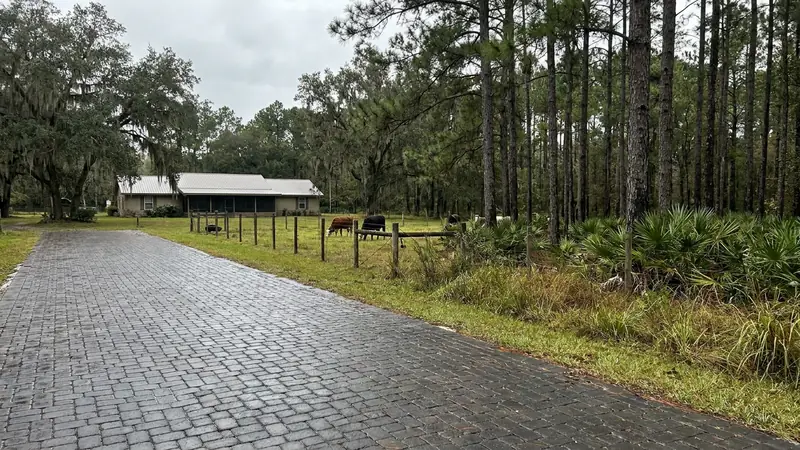
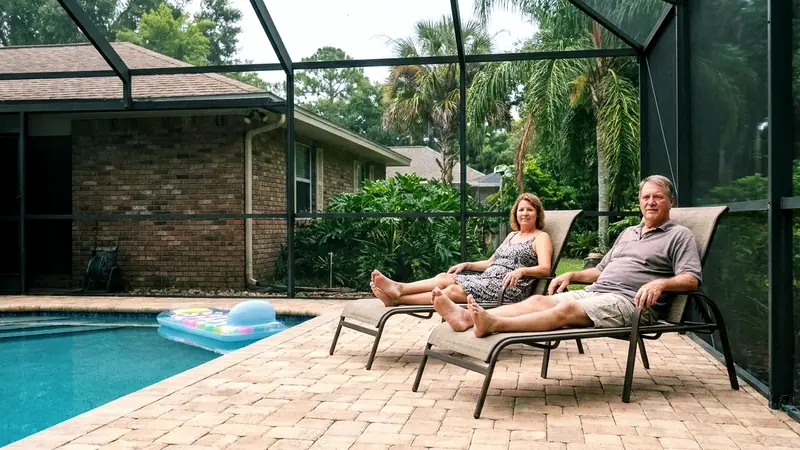
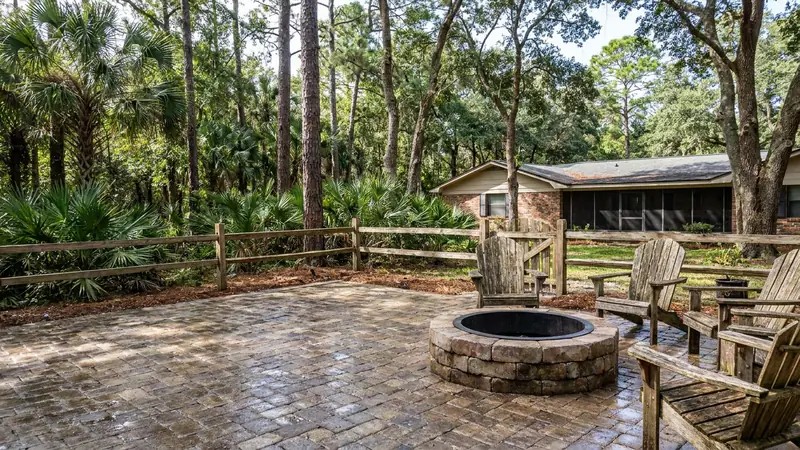
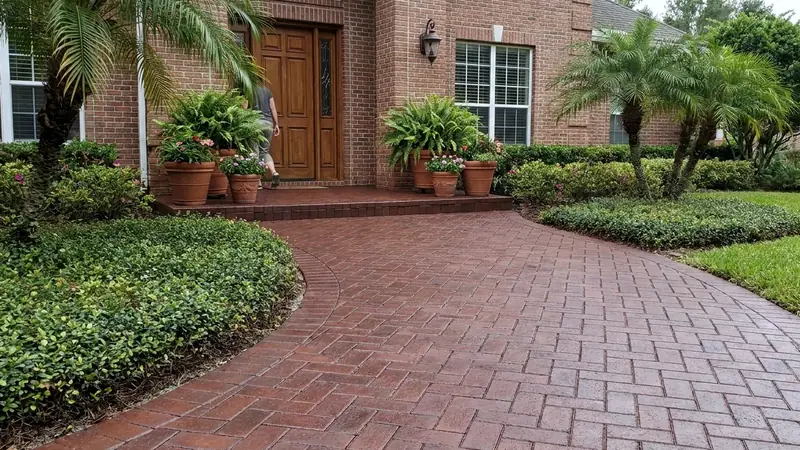
What do sealed pavers look like around Whitehouse?
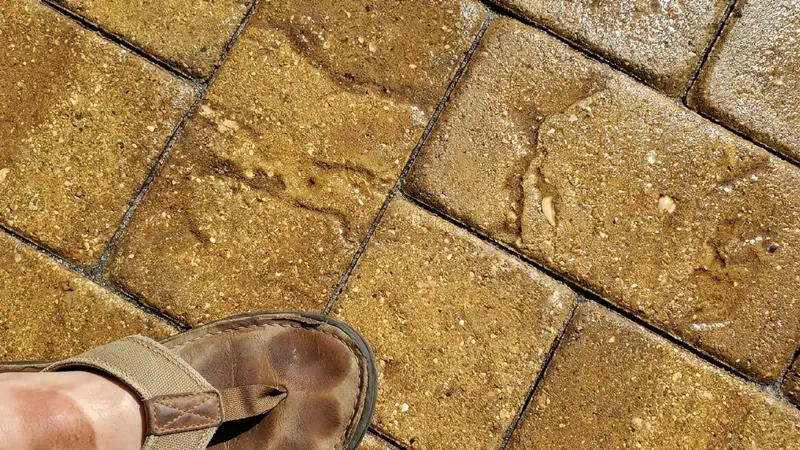
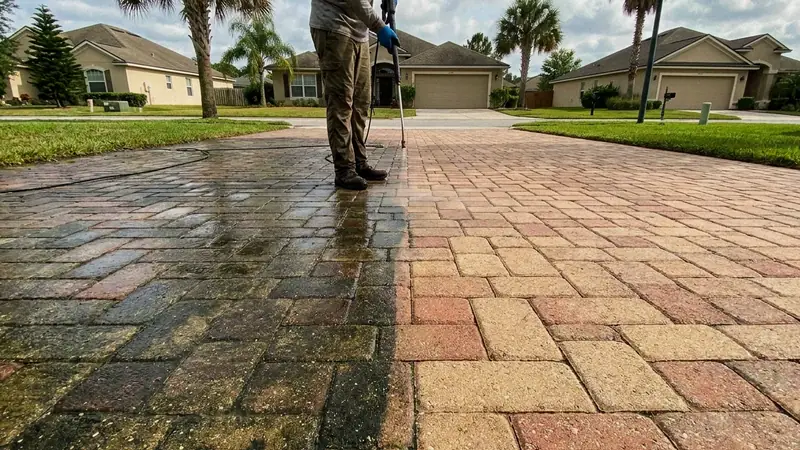
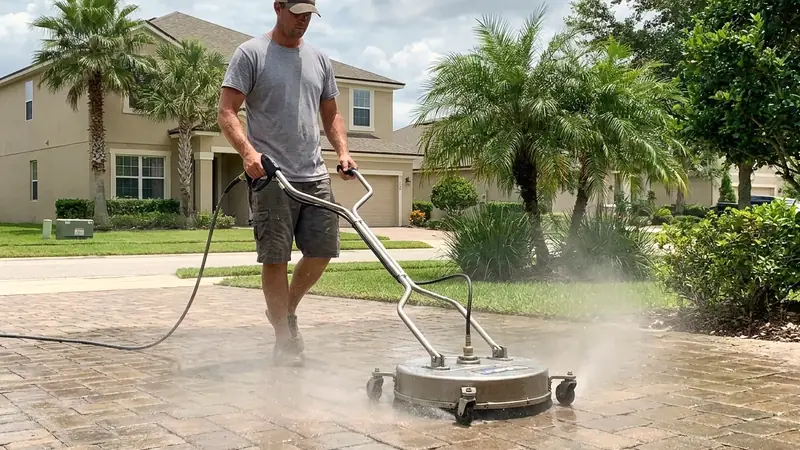
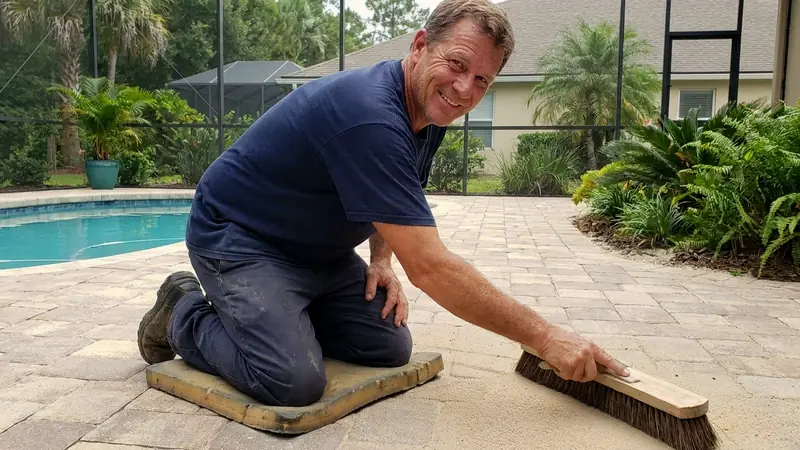
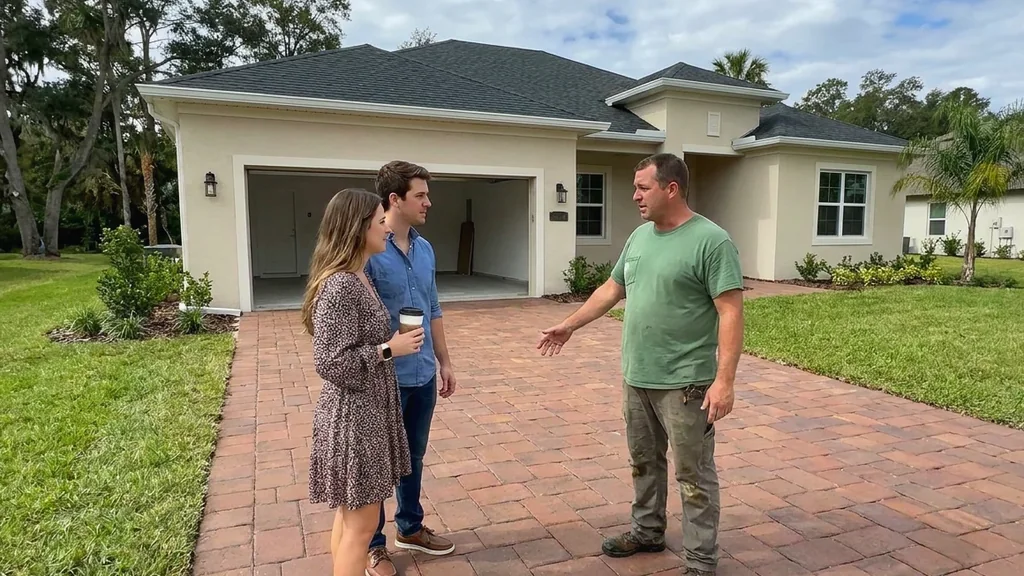
Why local matters in Whitehouse
A contractor who works the Westside knows Whitehouse is spread out, with long drives and big lots. That changes how a job is planned and priced, from the number of sections to the drying time. Someone used to dense neighborhoods may guess low, then add charges later. To reach a local contractor, call (904) 590-4776.
Water is a local matter too. Many large lots may run on wells, and iron in the water leaves rust marks. A local contractor asks about irrigation before cleaning. To mention your sprinklers and any rust you have seen, request a free estimate.
A local contractor can tell a faded old drive from a fresh bare one at a glance, and knows which should wait 30 to 60 days. If you are unsure how old your pavers are, request a free estimate and say so, with no obligation to hire anyone.
What landmarks help place a Whitehouse address?
Whitehouse Park on General Avenue covers almost 18 acres, with ball fields, courts and a playground, and Whitehouse Elementary sits beside it. The school opened in 1926 as White House Elementary, number 51, with five classrooms and a library. Eighteen more classrooms came between 1955 and 1968. If you live near the park and your walkway looks tired, request a free estimate.
Camp Milton Historic Preserve, at 1225 Halsema Road North, covers 385 acres and holds earthworks from a Civil War encampment, and the paved trail beside it is a handy place to find the area on a map. The Jacksonville-Baldwin Trail runs along its north side. Nearby, Cecil Commerce Center took over the old Naval Air Station Cecil Field, which closed in 1999. Close to the park, the school or the preserve, call (904) 590-4776 and give your street.
Frequently Asked Questions
Is it good to seal pavers in Florida, and does that apply in Whitehouse?
In most cases, yes. Sealing slows sun fade, holds joint sand in place and keeps weeds down. A Jacksonville paver company says unsealed concrete pavers fade noticeably within three to five years. A free estimate will tell you whether your Whitehouse pavers are due.
What is the biggest industry in Jacksonville, Florida, and does it affect Whitehouse pavers?
Published sources do not rank Jacksonville's industries, so there is no single answer here. A major work site near Whitehouse is the Cecil Commerce Center, about 17,000 acres on the former Naval Air Station Cecil Field. For pavers, what matters is that daily vehicle use wears driveways, so ask about your drive lane.
How long do paver sealers last on a long Whitehouse drive?
Quotes around here commonly run two to five years between coats. Full sun and heavy tire traffic push you toward the short end. A splash that sinks in and leaves a dark spot means the coat has worn through. A fresh wash also helps you see how much color is left. Full sun on a wide drive wears a coat faster than a shaded walk, so expect the two to need renewing at different times.
How much to clean and seal pavers on a big Whitehouse lot?
Plan on $1.75 to $3.25 per square foot, the range Jacksonville companies publish. A long Whitehouse drive adds up fast, so measure the area. Larger jobs often cost less per foot.
Should new pavers wait before the first coat?
Yes. A Jacksonville paver company advises waiting 30 to 60 days after installation. The wait lets minerals work out of new stone before the sealer goes on. Pavers on a new Whitehouse build are often left bare for years, so the first coat is worth planning.
Can well water stain my pavers?
It can. Most Florida well water is high in iron, and sprinklers that use it leave orange streaks. Clean those marks before sealing, or the coat will hold them in place. A water test from a lab or a store kit tells you how much iron your well carries, which helps decide whether a filter or a sprinkler change is worth it.
Can a long Whitehouse driveway be sealed in one day?
It depends on area and weather, so there is no fixed answer. Some contractors split big jobs into sections so each part dries evenly. Ask for a schedule with your estimate. Ask the contractor how the job will be split and where the joins between sections will land, so the finish looks even from the street.
How soon can I drive on it?
One Jacksonville company says to wait 2 to 4 hours before foot traffic and 24 hours before cars. Humid weather and shade can stretch that, so park elsewhere for a day. Ask about your product. Keep cars on the street until the contractor gives the all clear. If you have a gate or a long drive, ask the crew to mark the wet areas so family members know where to stay off.
Ready for a Free Estimate in Whitehouse?
Call (904) 590-4776 and tell us about your pavers.
Free, no obligation